

Biblically Accurate Lucifer: Shocking True Meaning Revealed
Ever stared at a horror-movie devil and wondered if that’s really what the Bible describes? Most of us grew up absorbing an image built from cartoons, films, and Halloween costumes, never once opening Isaiah 14 to check if any of it was true.
This guide walks through exactly what Scripture says, verse by verse, so you can finally separate biblically accurate lucifer from centuries of borrowed mythology. We’ll also untangle the confusing overlap with biblically accurate satan, look at the Hebrew behind the name, and trace how art quietly rewrote a theological figure into a horror-movie villain. Keep reading the real story is far stranger than the costume version.
Biblically accurate lucifer

The phrase biblically accurate lucifer describes a figure that Scripture presents as a once-glorious, light-filled being rather than a horned monster. His only direct mention by that name sits in Isaiah 14:12, a passage written as a taunt against a proud Babylonian king that theologians have long read on two levels at once.
- Isaiah 14:12 is the single verse where the name Lucifer appears in English Bibles
- The original Hebrew word behind it is Helel, meaning “shining one”
- Scripture never assigns him red skin, horns, or a pitchfork
- His fall is tied directly to pride, not to inherent evil
- Modern translations replace “Lucifer” with “Morning Star” or “Day Star”
Example in Scripture: “How you have fallen from heaven, O morning star, son of the dawn!” (Isaiah 14:12).
Biblically accurate satan
Where Lucifer describes a pre-fall identity, biblically accurate satan describes what that same spiritual being became afterward an adversary and accuser rather than a glowing angel. The Hebrew word satan is actually a title, not a personal name, and it shows up first in Job 1:6, standing before God to challenge a righteous man.
- Satan means adversary or accuser in Hebrew, not a proper name originally
- He appears in Job 1, Revelation 12, and the temptation of Jesus in Matthew 4
- Scripture never calls Satan the literal ruler of hell
- He’s described as a roaring lion, an ancient serpent, and a dragon
- His primary tactic is deception, disguised as an angel of light
Example in Scripture: “Your adversary the devil prowls around like a roaring lion” (1 Peter 5:8).
Lucifer biblically accurate
Flip the phrase around lucifer biblically accurate and the search intent stays the same: people want the Scripture-only version, stripped of medieval paintings and Renaissance poetry. That version centers on beauty, wisdom, and a catastrophic choice, not on horror-film aesthetics.
- The biblically accurate Lucifer was described as the seal of perfection in Ezekiel 28:12
- He was covered in precious stones and walked on God’s holy mountain
- His fall came through five “I will” declarations of pride in Isaiah 14:13-14
- He is never shown ruling from a throne in hell
- His story functions as a warning about pride, not simply a villain origin tale
Biblically accurate devil
The word devil comes from the Greek diabolos, meaning “slanderer,” and it’s used throughout the New Testament to describe the same adversarial figure known in Hebrew Scripture as Satan. A biblically accurate devil is a defeated, finite, created being not an equal and opposite force to God.
- Diabolos (Greek) means slanderer or false accuser
- The devil is described as already judged, awaiting final punishment (Matthew 25:41)
- He is not omniscient or omnipresent like God
- His power is permitted, not unlimited, as shown in Job 1
- He works through temptation and spiritual deception, not open confrontation
Bible accurate lucifer
Searching for a bible accurate lucifer usually means one thing: readers want primary-source Scripture, not tradition. That means going straight to Isaiah 14, Ezekiel 28, Luke 10:18, and Revelation 12 the five passages theologians most often connect to this figure’s identity and fall.
| Passage | Core Detail Revealed |
| Isaiah 14:12-15 | Morning Star cast down from heaven through pride |
| Ezekiel 28:12-17 | Pre-fall beauty, wisdom, and position in Eden |
| Luke 10:18 | Jesus describes seeing him “fall like lightning” |
| Revelation 12:7-9 | Cosmic war in heaven; he is cast to earth |
| 2 Peter 2:4 | Fallen angels held in chains awaiting judgment |
Biblically Accurate Understanding of Lucifer’s Identity
There’s something unsettling about realizing the villain you grew up fearing barely resembles the one in Scripture. A truly biblically accurate picture strips away red skin and horns and replaces them with something far more haunting: a being of light, beauty, and enormous power whose downfall was entirely self-inflicted.
How Is Lucifer’s Identity Described Across Scripture?
- Isaiah 14 frames him through the Morning Star metaphor, a title for the planet Venus
- Ezekiel 28 describes him as an anointed covering cherub, a high-ranking angelic being
- The Hebrew term Helel appears exactly once in the entire Hebrew Bible
- Jerome’s Latin Vulgate (383 AD) translated Helel as Lucifer, meaning “light bearer”
- The King James Version (1611) kept Jerome’s Latin word instead of translating it fresh
- Modern versions like the NIV and ESV now render it “Morning Star” or “Day Star”
The Hebrew root halal means “to shine” or “to radiate,” and it directly ties this figure to the imagery of Venus blazing brightly before sunrise, then vanishing the instant the true light appears. That poetic collapse brilliant, then gone is the entire theological point Isaiah was making about pride.
What Does the Bible Really Say About Lucifer’s Identity?
People ask this exact question in Google search bars every single day, hoping for a direct answer instead of another movie reference. The honest answer: the biblically accurate lucifer appears by name only once, yet his broader identity is woven through Isaiah, Ezekiel, and the New Testament’s teaching on Satan and the devil.
- He is named once, in Isaiah 14:12, using a title later translated “Lucifer”
- His pre-fall identity is expanded in Ezekiel 28
- His post-fall identity connects to Satan, the serpent, and the dragon
- Scripture treats him as a created being, never as God’s equal opposite
- His entire arc turns on one theme: pride precedes destruction
Biblically Accurate Description of Lucifer’s Appearance
Forget the pitchfork. A biblically accurate description of this figure’s appearance reads more like a jewel-covered royal portrait than a horror sketch, and that contrast is exactly why the real story hits differently once you actually read it.
What Did Lucifer Look Like Before His Fall?
Ezekiel 28:12-17 gives the fullest pre-fall description in Scripture, and it’s a portrait of dazzling glory, not menace.
| Attribute | Scripture Reference | Description |
| Beauty | Ezekiel 28:12 | “Seal of perfection,” unmatched among created beings |
| Wisdom | Ezekiel 28:12 | “Full of wisdom” beyond any earthly ruler |
| Location | Ezekiel 28:13 | Present in the Garden of Eden |
| Adornment | Ezekiel 28:13 | Covered in nine precious stones, including ruby and topaz |
| Position | Ezekiel 28:14 | Anointed as a covering cherub |
| Movement | Ezekiel 28:14 | Walked “among the stones of fire” |
- No horns, tail, or red skin appear anywhere in this description
- His post-fall state is described only through symbolic images: a serpent, a dragon, a roaring lion
- The Morning Star title in Isaiah 14 links him to Venus, the brightest object in the pre-dawn sky
- The same title, Morning Star, is later applied to Jesus Christ in Revelation 22:16
- Biblical silence on physical form after the fall suggests a spiritual, not physical, existence
Example in Scripture: “You were in Eden, the garden of God; every precious stone was your covering” (Ezekiel 28:13).
Symbolism and Meaning Behind Lucifer’s Role in Biblical Texts
Beyond identity and appearance, this figure carries heavy symbolic weight across Scripture. His story operates on three layers at once: a historical taunt against a Babylonian king, a theological picture of angelic rebellion, and a timeless warning about what pride does to anyone, human or angelic.
- He functions as the archetype of pride, the sin that places self above Creator
- The Morning Star imagery symbolizes glory that exists only by reflection, not by its own light
- His story reinforces Proverbs 16:18 pride goes before destruction
- Rabbinic and early Christian commentators both read Isaiah 14 as more than a political statement
- His downfall models the cosmic consequence of misplaced worship
Beyond the obvious visual myths, several deeper theological misunderstandings shape how modern readers approach this subject. These errors don’t just distort appearance they distort how people understand evil, temptation, and God’s sovereignty over creation. Recognizing them is the first step toward a genuinely biblically accurate perspective.
- Treating evil as an independent force rather than a corruption of something originally good
- Assuming spiritual warfare language in Ephesians 6 describes physical conflict rather than unseen influence
- Overlooking that Job 1 shows Satan operating only within limits God permits
- Reading Isaiah 14 purely as a political taunt while ignoring its layered spiritual application
- Missing that Ezekiel 28 never once uses the word “Lucifer,” despite frequent pairing with Isaiah 14
Common Misinterpretations About Lucifer in Modern Culture
Somewhere between Dante, Milton, and Hollywood, this figure picked up a costume the Bible never gave him. Below are the misconceptions that still shape how most people imagine biblically accurate satan and Lucifer today.
- The belief that God and Lucifer are equal, opposing forces locked in eternal battle
- The idea that he currently rules hell as a throne room rather than facing punishment there (Matthew 25:41)
- The assumption that his primary method is obvious evil, when 2 Corinthians 11:14 says he disguises himself as an angel of light
- The mistaken merger of Lucifer and Satan into one interchangeable name in casual speech
- The visual myth of red skin, horns, and a pitchfork, borrowed largely from pagan and medieval art
- The notion that he commands an army with total independence from God’s permission
Critical Distinction Between Lucifer and Satan in Scripture
This is where most confusion collapses once explained clearly. Lucifer describes a pre-fall identity in Isaiah 14 and Ezekiel 28. Satan describes a post-fall role accuser, tempter, adversary active from Job 1 onward. The Bible never explicitly says “these are the same being,” yet theological tradition connected them centuries ago.
| Attribute | Lucifer | Satan |
| Meaning | Light Bearer / Morning Star | Adversary / Accuser |
| Primary Texts | Isaiah 14, Ezekiel 28 | Job 1, Revelation 12, Matthew 4 |
| Nature Shown | Beautiful, glorious, perfect | Deceptive, destructive, corrupt |
| Timeframe | Pre-fall existence | Post-fall activity |
| Common Symbol | Morning Star | Serpent, dragon, roaring lion |
- Dante’s Inferno (14th century) and Milton’s Paradise Lost (1667) cemented the merger in popular imagination
- Martin Luther and other Protestant Reformers questioned reading Isaiah 14 as a literal angel narrative at all
- Getting the Lucifer vs Satan distinction right changes how believers interpret pride, temptation, and spiritual evil
- Both names ultimately point to the same theological warning, even where scholars disagree on identity
Is Lucifer the Same as Satan in the Bible?
This is one of the most-searched questions tied to the topic, and the honest answer requires nuance rather than a flat yes or no. Scripture never states outright that Lucifer equals Satan, but centuries of Christian tradition merged the two into a single ongoing narrative.
- Isaiah 14 never uses the word “Satan”
- Job 1 never uses the name “Lucifer”
- The connection is a theological inference, built from context, not a direct verse
- Most modern Bible translations avoid the name “Lucifer” entirely, using “Morning Star” instead
- Whether or not the names describe one being, both texts teach the same lesson about pride and rebellion
Biblically Accurate Account of Lucifer’s Fall and Significance
The fall recorded in Scripture isn’t a single dramatic scene it’s a thread running through six different books, each adding a new layer to the same catastrophic event.
| Scripture | What It Reveals |
| Isaiah 14:12-15 | Fall from heaven, told through Morning Star imagery |
| Ezekiel 28:15-17 | Pride following beauty led directly to corruption |
| Luke 10:18 | Jesus says He saw him “fall like lightning” |
| Revelation 12:7-9 | A war in heaven ends with him cast down |
| Job 1:6 | He still has limited access to God’s presence |
| 2 Peter 2:4 | Fallen angels are held for future judgment |
What Were Lucifer’s Five “I Will” Declarations?
Isaiah 14:13-14 records five statements of defiance, each one escalating the rebellion further.
- “I will ascend” to heaven, abandoning his appointed position
- “I will raise my throne” above the stars of God, claiming higher rank
- “I will sit” on the mount of the congregation, demanding worship
- “I will ascend” above the heights of the clouds, chasing divine glory
- “I will make myself” like the Most High the final act of rebellion
- Revelation 12:4 indicates a third of the angels joined this rebellion
- The consequence was immediate and total, with no recorded second chance
- Ephesians 6:12 ties this event directly to ongoing spiritual warfare today
Lucifer Bible Verses Every Believer Should Know
Studying the biblically accurate lucifer narrative gets easier once the key verses are gathered in one place instead of scattered across sixty-six books.
- Isaiah 14:12 the single verse naming “Lucifer” in English translation
- Ezekiel 28:12-17 the fullest pre-fall description of beauty and pride
- Luke 10:18 Jesus witnessing the fall firsthand
- Revelation 12:7-9 the cosmic war and expulsion from heaven
- 2 Corinthians 11:14 the warning about disguising as an angel of light
- 1 Peter 5:8 the roaring lion imagery describing ongoing danger
- Proverbs 16:18 the timeless principle behind pride and downfall
Example in Scripture: “For Satan himself masquerades as an angel of light” (2 Corinthians 11:14).
Artistic Evolution of Lucifer’s Image Throughout History
The devil most people picture today was shaped far more by paintbrushes and printing presses than by Scripture itself. Tracking that transformation shows exactly how far cultural imagination drifted from the biblical text.
| Era | Dominant Image | Source |
| Early Medieval | Ethereal blue or pale angel | Closer to biblical light imagery |
| High Medieval | Grotesque, horned monster | Dante’s Inferno, church iconography |
| Renaissance | Tragic, sympathetic rebel | Milton’s Paradise Lost (1667) |
| Victorian Era | Red-skinned figure with pitchfork | Theatre, pagan mythology blending |
| Modern / Hollywood | Charming antihero or cosmic villain | Film and television |
- Early medieval art stayed closest to the biblical description of light and beauty
- Dante Alighieri’s Inferno cemented the grotesque, monstrous image in the 14th century
- John Milton’s Paradise Lost romanticized the figure into a tragic antihero in 1667
- The Victorian red-and-horns look borrowed heavily from pre-Christian pagan deities
- None of these depictions originate from a direct scriptural description
How Did Jerome’s Translation Shape the Word Lucifer?
This is a high-search, often-misunderstood piece of the puzzle. Around 383 AD, the scholar Jerome translated the Hebrew Bible into Latin, producing the Vulgate. When he reached Isaiah 14:12, he rendered Helel as Lucifer Latin for “light bearer.”
- Jerome used the Latin word Lucifer twice in his translation
- One use described the fallen figure in Isaiah 14
- The other described Jesus Christ as the “morning star” in 2 Peter 1:19
- The King James translators (1611) kept Jerome’s Latin word rather than translating it into English
- That single editorial choice shaped four centuries of English Christian tradition
Theological Insights from a Biblically Accurate Lucifer
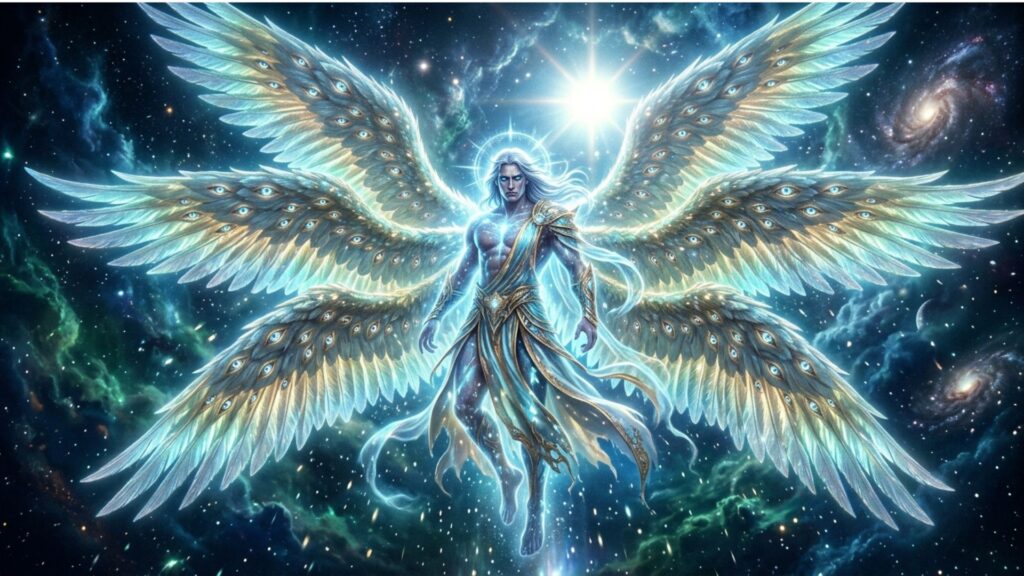
Strip away the folklore, and this story becomes one of the most theologically loaded narratives in Scripture a case study in free will, pride, and the fragile line between gift and god.
- Free will allowed even a perfect being to choose rebellion over surrender
- Ezekiel 28:15 states he was blameless “till unrighteousness was found in you,” locating evil’s origin within choice, not creation
- Pride specifically targets giftedness and position, not weakness or poverty
- His rebellion spread outward, drawing a third of the angels into corruption (Revelation 12:4)
- Ephesians 6:12 ties his legacy directly to present-day spiritual warfare
- The prescribed antidote throughout Scripture is consistent: humility and dependence on God
Example in Scripture: “Pride goes before destruction, a haughty spirit before a fall” (Proverbs 16:18).
Theologians often point out that this story only works as a warning if the being at its center was genuinely good to begin with. A villain falling into villainy teaches nothing new. But a perfect, wise, radiant creation choosing self-exaltation over God that teaches something every reader can apply directly to their own life, regardless of how ordinary or extraordinary their circumstances feel. The biblically accurate lucifer narrative works precisely because it starts with glory, not with darkness.
This is also why theologians distinguish between the origin of a being and the origin of a choice. God created a perfect angel; God did not create pride. Pride entered through an act of will, not through divine design, which preserves both God’s goodness and the reality of genuine moral responsibility for every created being, angelic or human.
Biblically Accurate Lucifer vs Pop Culture Depictions
Side-by-side comparison makes the gap between Scripture and entertainment almost impossible to ignore.
| Category | Biblical Portrayal | Pop Culture Portrayal |
| Appearance | Radiant light, jewel-covered beauty | Red skin, horns, monstrous form |
| Role | Fallen, awaiting judgment | Ruler enthroned in hell |
| Strategy | Disguised as an angel of light | Obviously villainous and dark |
| Power Level | Created, finite, permitted | Nearly equal to God |
| Core Focus | Pride and spiritual corruption | Dramatic visual spectacle |
- Streaming shows and films consistently prioritize entertainment value over scriptural accuracy
- The most dangerous version of this figure, according to 2 Corinthians 11:14, never looks obviously evil
- Believing the pop-culture version can make real spiritual deception easier to miss entirely
Why Do People Confuse Lucifer With the Devil Today?
Another heavily searched question, and the answer traces back to translation history more than theology. Because the King James Version used “Lucifer” as a proper name in Isaiah 14:12, English-speaking Christians absorbed it as an identity rather than a poetic title.
- Centuries of preaching referenced “Lucifer” as the devil’s given name
- Art and literature reinforced the merger long before modern scholarship corrected it
- Modern translations like the NIV and ESV now avoid the name entirely
- Casual, everyday language still treats Lucifer, Satan, and the devil as fully interchangeable
- A biblically accurate reading separates the pre-fall title from the post-fall role
What the Bible Teaches About Spiritual Warfare
Once the fall is understood, the next natural question is: what happened after? Scripture teaches that the rebellion never ended it simply changed battlefields, moving from heaven to the human heart.
- Ephesians 6:12 describes an entire hierarchy of spiritual powers opposed to humanity
- 1 Peter 5:8 warns believers to stay alert against a prowling, predatory threat
- 2 Corinthians 11:14 identifies deception as the primary weapon, not open attack
- James 4:7 offers the simplest biblical instruction: resist, and he will flee
- The entire narrative exists as a warning, not as entertainment or mythology
Understanding this distinction also reshapes how believers approach personal struggle. If pride can corrupt a being described as the “seal of perfection,” no amount of talent, position, or spiritual maturity makes anyone immune to the same temptation. That’s precisely why Scripture pairs the Lucifer narrative so often with direct calls to humility not as a nice suggestion, but as the only proven safeguard against repeating history’s first and most catastrophic rebellion.
It’s worth remembering, too, that none of this theology exists in isolation. The biblically accurate satan and Lucifer narratives connect directly to the broader biblical story of redemption. Where pride caused one fall, humility modeled perfectly in Christ, described in Philippians 2 as taking on “the form of a servant” provides the reversal. The same “Morning Star” title once claimed through rebellion is given freely, through grace, to Jesus in Revelation 22:16. That contrast isn’t incidental. It’s the theological heartbeat of the entire narrative.
Frequently Asked Questions
What does the Bible say about Lucifer?
The Bible names Lucifer once, in Isaiah 14:12, describing a biblically accurate lucifer figure of light who fell through pride.
What are the differences between Lucifer and Satan in Scripture?
Lucifer describes the glorious pre-fall identity in Isaiah 14, while Satan describes the post-fall accuser role active from Job 1 onward.
Who was Lucifer before the fall?
Before the fall, he was the “seal of perfection” in Ezekiel 28, an anointed cherub of flawless beauty within Eden.
How did pride cause Lucifer’s fall?
Pride over his God-given beauty (Ezekiel 28:17) fueled his five “I will” declarations, resulting in permanent expulsion from heaven.
Is Lucifer mentioned by name anywhere else in the Bible?
No the name appears only once, in Isaiah 14:12, making it one of Scripture’s rarest and most debated titles.
Does the Bible describe Lucifer as having horns or red skin?
No. That imagery comes entirely from medieval art and later pop culture, never from any biblically accurate lucifer description.
How did art change the perception of Lucifer over time?
Art gradually replaced the biblical figure of light with a medieval monster, then Milton’s tragic rebel, then Hollywood’s antihero.
Conclusion
Once you strip away the horror-movie makeup, the biblically accurate lucifer turns out to be a far more sobering figure than any red-skinned villain a being of extraordinary beauty whose own pride became his undoing.
Scripture repeats one lesson through Isaiah, Ezekiel, and Revelation alike: gifts without gratitude become the seed of ruin, and pride always precedes a fall. The next time this figure comes up in conversation, film, or Sunday sermon, let the actual text not the costume shape the answer. Choose humility, hold your gifts loosely, and let the real story do what centuries of myth never could: point back to God.

Samuel Prescott explores Bible meanings, biblical names, and scripture insights, helping readers uncover deeper faith and understanding.





One Comment